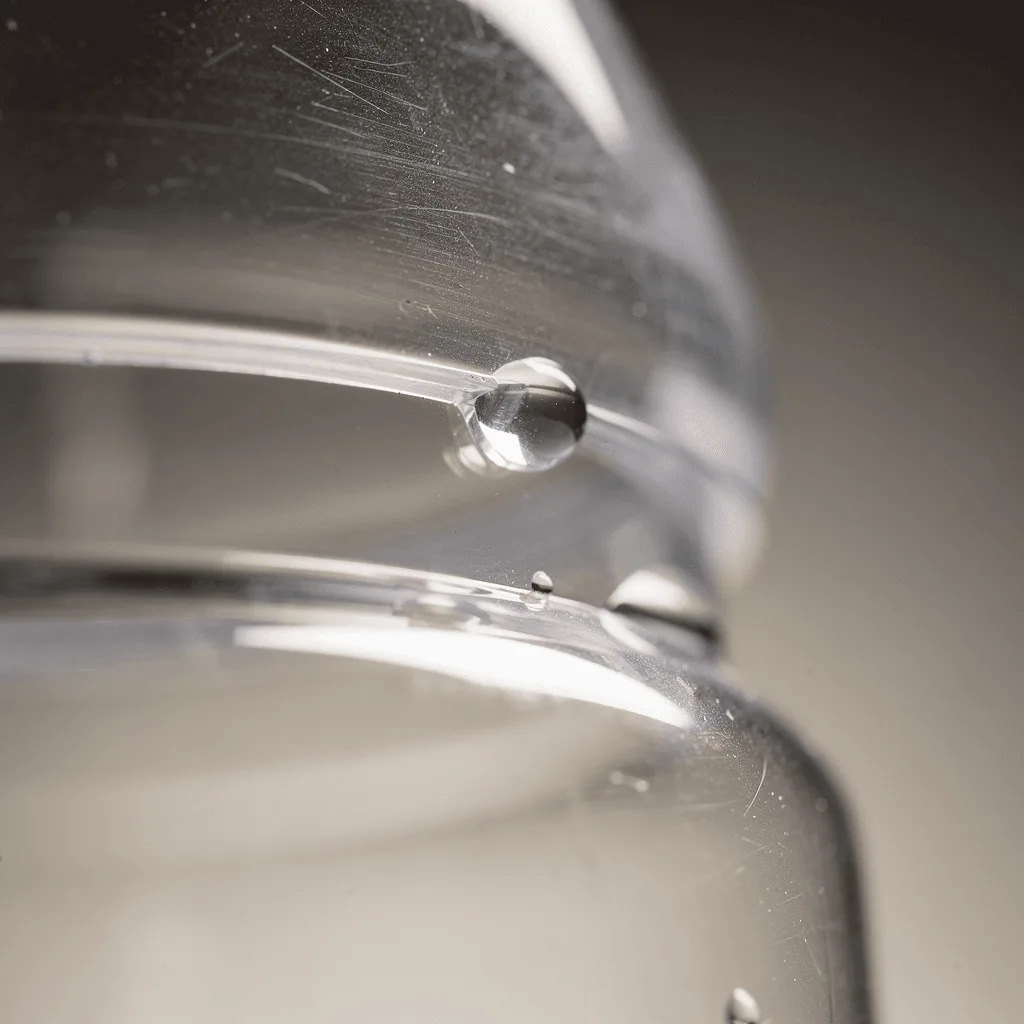
Mengapa Masalah Kebocoran Botol Plastik Harus Ditangani dari Root Cause
Ketika procurement manager menerima komplain bahwa botol plastik bocor di batch produksi 50.000 unit, tekanan langsung muncul: apakah ini masalah supplier, kesalahan assembly, atau defect material? Kebocoran kemasan bukan sekadar quality issue minor—ini menyebabkan product loss hingga 3-5%, merusak brand reputation, dan berpotensi menimbulkan product recall yang biayanya bisa mencapai ratusan juta rupiah.
Dari perspektif pabrik yang memproduksi 10-15 juta unit kemasan per bulan, kami di Dermapack mengidentifikasi bahwa 89% kasus masalah kebocoran berasal dari 7 kategori root cause yang spesifik—dan sebagian besar bisa dicegah melalui proper specification, quality control protocol, dan pemilihan supplier yang tepat.
Artikel ini memberikan framework Root Cause Analysis (RCA) yang actionable untuk tim QC, R&D manager, dan procurement professional yang menangani kemasan cair (lotion, serum, shampoo, parfum, sirup farmasi). Anda akan mendapat checklist inspeksi, parameter toleransi teknis, dan decision tree untuk troubleshooting systematic.
7 Root Cause Utama Botol Plastik Bocor: Analisis Teknis
1. Threading Mismatch: Masalah Paling Umum pada Botol Pump
Pada botol pump lotion atau serum, threading mismatch antara bottle neck dan pump collar adalah penyebab 35-40% kasus kebocoran. Ini terjadi ketika:
- Thread pitch tidak konsisten: Standar industri untuk cosmetic bottle adalah 1.2-1.5mm pitch, tetapi jika mold sudah aus atau tidak ter-maintain, pitch bisa melebar hingga 1.8mm, menyebabkan loose fitting
- Neck finish dimension di luar toleransi: Untuk 24/410 neck (diameter 24mm, thread height 10mm), toleransi manufacturing yang acceptable adalah ±0.15mm. Jika exceed ±0.25mm, seal tidak akan sempurna
- Flash atau burr pada thread: Sisa material dari proses injection molding yang tidak di-trim sempurna menghalangi proper seating dari pump atau cap
Checklist Inspeksi Threading:
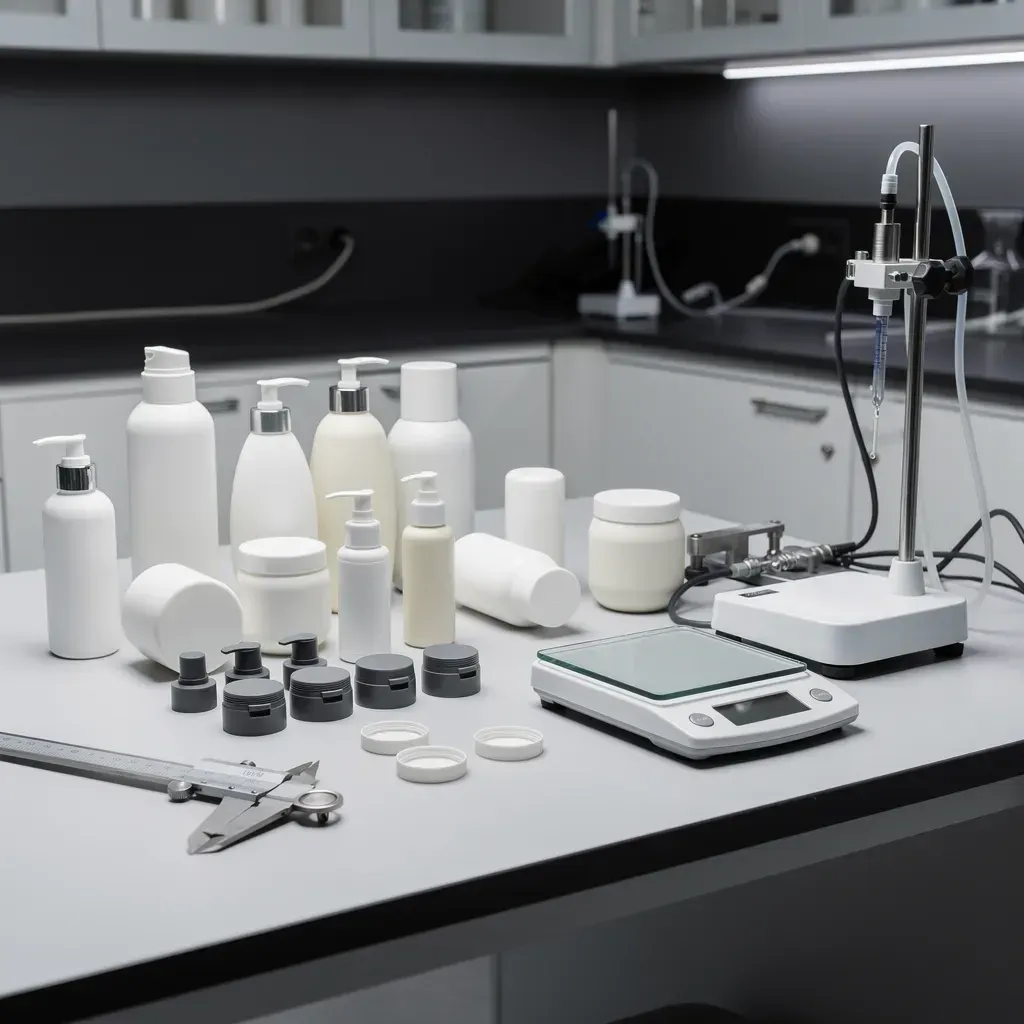
- Ukur neck outer diameter dengan caliper digital (akurasi 0.01mm) pada minimal 5 sample per 1000 unit
- Lakukan visual inspection dengan magnifying glass 10x untuk deteksi flash atau incomplete thread
- Test torque removal dengan torque meter: untuk lotion pump harus 20-25 in-lbs, jika <15 in-lbs indikasi loose fitting
- Cross-test dengan pump/cap dari batch berbeda untuk rule out component mismatch
2. Seal Kemasan: Material dan Compression Issues
Gasket atau liner pada disc-top cap, flip-top, dan pump dispensers adalah critical seal component. Seal kemasan yang gagal biasanya disebabkan:
- Material hardness tidak sesuai aplikasi: EPE foam liner (durometer 25-35 Shore A) cocok untuk produk water-based, tetapi untuk alcohol-based toner atau parfum butuh PE foam dengan chemical resistance lebih tinggi atau silicone gasket
- Insufficient compression: Liner harus ter-compress 15-25% dari original thickness untuk create hermetic seal. Jika bottle neck flatness >0.2mm out-of-flat, compression tidak merata
- Liner tidak centered: Pada high-speed capping line (>150 bottles/menit), misalignment 0.5mm sudah cukup untuk create leak path
Solusi Teknis:
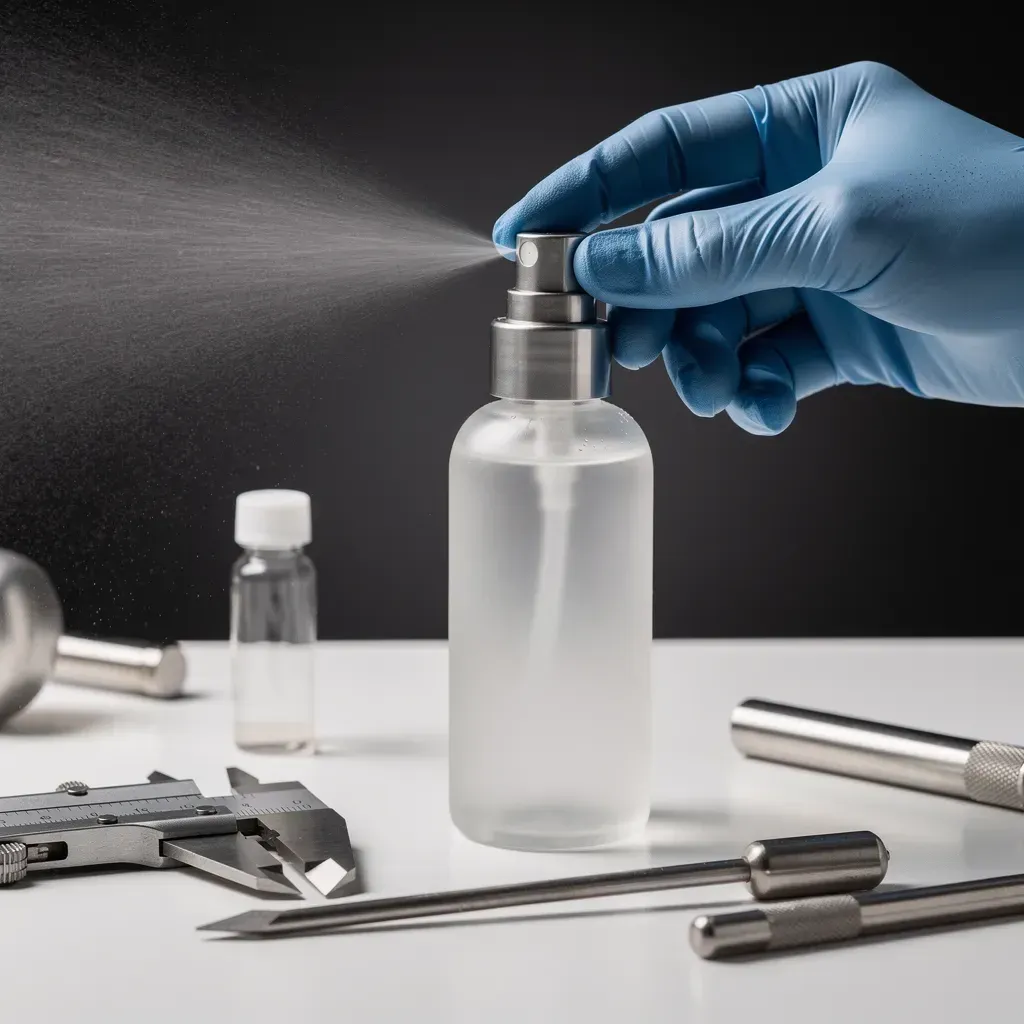
- Untuk botol spray parfum atau facial mist, gunakan PE liner dengan adhesive backing untuk prevent shifting during transport
- Lakukan neck flatness inspection dengan feeler gauge: maksimal 0.15mm variance
- Request Certificate of Analysis (CoA) dari supplier yang include liner compression test data
3. Mold Cavity Imbalance: Invisible Defect yang Progresif
Pada production scale besar menggunakan multi-cavity mold (16-32 cavity untuk botol cosmetic standard), cavity-to-cavity variation adalah silent killer. Gejala:
- Wall thickness variance: Cavity #1 menghasilkan bottle dengan wall 1.2mm, cavity #16 hanya 0.9mm. Bottle dengan wall tipis lebih prone to stress cracking dan leakage setelah 2-3 bulan storage
- Uneven cooling: Cavity yang posisinya dekat cooling channel lebih cepat dingin, menghasilkan molecular orientation berbeda. Ini affect dimensional stability saat terisi produk panas (filling temperature 60-70°C untuk emulsion)
- Flash pada parting line: Cavity yang mold clamp pressure-nya kurang akan produce flash, terutama di area neck finish
Verifikasi Supplier: Tanyakan kepada pabrik kemasan kosmetik Anda:
- Berapa frekuensi mold maintenance? (Standard: setiap 500K-1M shots untuk precision cavity)
- Apakah ada cavity identification? Bottle harus ter-mark dengan cavity number untuk traceability
- Minta data cavity balance report: max weight variance antar cavity tidak boleh >3%
4. Material Compatibility: Chemical Resistance dan Permeability
Tidak semua botol plastik cocok untuk semua formula. Material incompatibility menyebabkan:
- Chemical stress cracking: PET bottle yang contact dengan essential oil concentration >5% akan mengalami micro-cracking dalam 4-6 minggu, creating leak path. Parfum dan aromatherapy oil butuh botol kaca atau HDPE
- Plasticizer migration: Pada formula dengan surfactant tinggi (body wash, shampoo), plasticizer dari PP bisa ter-extract, menyebabkan material embrittlement
- Permeability: Alcohol-based toner dalam PET akan mengalami evaporation 2-3% per tahun karena alcohol permeates through wall. Botol HDPE punya barrier properties 4-5x lebih baik untuk volatile ingredients
Material Selection Guide untuk Mencegah Quality Issue Packaging:
| Tipe Produk | Material Rekomendasi | Material TIDAK Rekomendasi |
|---|---|---|
| Water-based lotion, serum | PET, PETg, PP | - |
| Oil-based products, essential oil | HDPE, Glass | PET (stress cracking risk) |
| Alcohol-based toner (>15% alcohol) | HDPE, PETg, Glass | Standard PET (permeability) |
| Parfum, fragrance oil | Glass, HDPE heavy-wall | PET, thin-wall PP |
| Acidic formula (pH <4) | PET, HDPE, Glass | Polycarbonate (hydrolysis) |
Testing Protocol: Sebelum mass production, lakukan compatibility test:
- Fill & Hold test: isi 10 sample bottle dengan actual formula, store pada 40°C selama 4 minggu (simulate 6 bulan shelf life)
- Inspect untuk stress cracking, discoloration, deformation, dan weight loss (indicate permeation)
- Lakukan drop test setelah fill & hold: jika bottle crack atau leak >20%, material tidak compatible
5. Assembly Process: Torque, Crimping, dan Automation Issues
Untuk produk dengan pump dispenser (lotion, serum, foundation), proses assembly yang tidak proper adalah frequent cause:
- Over-torquing: Memasang pump dengan torque >30 in-lbs bisa deform bottle neck, creating stress concentration. Setelah 1-2 bulan, stress relaxation menyebabkan loosening dan leakage
- Under-torquing: Jika torque <18 in-lbs, pump tidak fully seated, seal tidak terkompresi optimal
- Crimping band terlalu tight/loose: Aluminium crimp band untuk parfum spray harus di-crimp dengan pressure 80-100 PSI. Jika terlalu loose (<70 PSI), pump bisa naik saat pressure build-up di dalam bottle
SOP Assembly untuk Prevent Botol Pump Bocor:
- Gunakan pneumatic or electric capping head dengan torque control ±2 in-lbs accuracy
- Set target torque: 22-25 in-lbs untuk lotion pump 24/410, 18-20 in-lbs untuk treatment pump 18/410
- Calibrate torque equipment weekly dengan reference torque wrench traceable to NIST standard
- Lakukan in-line leak detection: vacuum test atau pressure decay test pada 100% production untuk high-value products
- Mark rejected units clearly untuk prevent mixing dengan good units
6. Environmental Stress: Transport, Storage, dan Temperature Cycling
Kebocoran yang terjadi setelah produk di market sering disebabkan environmental stress yang tidak diantisipasi:
- Thermal cycling: Container truck dengan temperature swing 15°C (pagi) sampai 45°C (siang) menyebabkan expansion-contraction cycle. Untuk body lotion volume 250ml, thermal expansion bisa create internal pressure 3-5 PSI, forcing product keluar jika seal marginal
- Drop impact: Logistic handling standard adalah 60cm drop height. Jika bottle wall <1.0mm untuk 200ml PET, impact bisa create hairline crack di bottom atau side wall
- Stack pressure: Pallet dengan 5 layer (120 cartons) memberikan compression load ~150 kg pada bottom layer. Bottle dengan poor structural design bisa deform, affecting seal integrity
Preventive Measures:
- Lakukan ISTA 3A transport simulation test untuk high-value SKU
- Request dari supplier botol plastik kosmetik data burst pressure test: minimum 60 PSI untuk pump bottle, 40 PSI untuk screw cap bottle
- Design head space: leave 3-5% air space untuk accommodate thermal expansion
- Untuk export market (Middle East, Afrika), gunakan heavier wall thickness: minimum 1.2mm untuk 250ml bottle
7. Quality Control Gap: Inspection Protocol yang Inadequate
Bahkan dengan perfect manufacturing, tanpa robust QC protocol, defective units bisa lolos:
- Visual inspection saja tidak cukup: Micro-crack atau incomplete thread tidak visible dengan naked eye
- Sampling rate terlalu rendah: AQL 2.5 dengan single sampling mungkin miss defect pattern pada specific cavity atau time period
- No functional testing: Banyak QC hanya cek dimensional, tidak test actual sealing performance
Enhanced QC Protocol:
| Test Type | Frequency | Acceptance Criteria |
|---|---|---|
| Dimensional (neck finish, wall thickness) | 5 pcs per 1000 units | ±0.15mm tolerance |
| Visual (flash, contamination, crack) | 100% inspection | Zero critical defect |
| Leak test (vacuum or pressure decay) | 20 pcs per 5000 units | Zero leakage at 10 PSI, 30 seconds |
| Torque removal (for pump/cap) | 10 pcs per batch | 22-25 in-lbs (lotion pump) |
| Drop test (filled) | 10 pcs per new mold/material | No leak/crack after 60cm drop |
Systematic Troubleshooting: Decision Tree untuk Identifikasi Root Cause
Ketika menemukan batch dengan issue kebocoran, gunakan decision tree ini:
Step 1: Karakterisasi Leakage Pattern
- Apakah kebocoran terjadi immediately setelah filling atau develop over time (days/weeks)?
- Immediate leak → likely assembly atau gross component defect
- Delayed leak → likely material compatibility, stress cracking, atau environmental factor
Step 2: Identifikasi Leak Location
- Dari neck/thread area → threading mismatch atau seal liner issue
- Dari pump/spray mechanism → pump assembly atau O-ring defect
- Dari body/wall → material defect, crack, atau permeation
- Dari bottom → weld line weakness atau drop impact damage
Step 3: Cross-Reference dengan Production Data
- Apakah defect concentrated pada specific cavity number? → mold cavity issue
- Apakah terjadi pada specific production date/shift? → process parameter drift
- Apakah terjadi pada specific component lot? → incoming material issue
Step 4: Conduct Root Cause Tests
- Suspect threading: gauge check + cross-compatibility test dengan known-good components
- Suspect seal: liner compression test + alternate liner trial
- Suspect material: fill & hold test + stressed sample analysis
- Suspect assembly: torque audit + process capability study (Cpk calculation)
Solusi Preventif: Partnership dengan Pabrik yang Audit-Ready
Untuk meminimalkan risk quality issue packaging, pilih manufacturing partner dengan:
1. Process Control yang Robust:
- Statistical Process Control (SPC) dengan real-time monitoring critical parameters (injection pressure, cooling time, melt temperature)
- Automated defect detection menggunakan vision system atau AI-based inspection untuk 100% screening
- Traceability system: setiap batch ter-track dari raw material lot, mold cavity, production datetime, hingga QC inspector ID
2. Material Qualification yang Ketat:
- Supplier hanya menerima virgin resin dengan Certificate of Analysis (CoA) yang include melt flow index, density, dan purity data
- Incoming material inspection: random testing dengan DSC (Differential Scanning Calorimetry) untuk verify material grade
- No regrind usage untuk food contact atau kemasan farmasi applications
3. Certification dan Audit Compliance:
- Sertifikasi ISO 9001:2015 dengan scope meliputi process control dan customer complaint handling
- ISO 22716 (GMP Cosmetic) untuk brand yang export ke EU market
- Regular third-party audit (SEDEX, customer audit) untuk ensure continuous compliance
Dermapack sebagai pabrik kemasan plastik dengan kapasitas 10-15 juta unit per bulan mengimplementasikan 5-layer quality gate:
- Material incoming QC: 100% lot verification
- First article inspection: dimensional + functional test sebelum mass production
- In-process monitoring: SPC dengan control limit ±3 sigma
- Finished goods inspection: AQL 1.5 sampling + leak test
- Pre-shipment audit: random carton check untuk ensure no mixing defect units
Corrective Action: Langkah Konkret Jika Terjadi Leakage Issue
Jika Anda sedang menghadapi batch dengan masalah kebocoran:
Immediate Actions (24-48 jam):
- Quarantine semua suspect inventory (finished goods + work-in-process)
- Notify supplier dengan detail: batch number, defect quantity, defect description + photo/video evidence
- Secure 20-30 defect samples untuk investigation (jangan discard)
- Pull production data: molding parameters, assembly torque logs, QC inspection records
Investigation Phase (3-7 hari):
- Conduct onsite joint investigation dengan supplier technical team
- Perform comparative testing: defect units vs. good units, measurement semua critical dimensions
- Review process FMEA (Failure Mode Effects Analysis): identify which process step most likely contribute
- If needed: request third-party lab testing (material analysis, stress analysis)
Corrective & Preventive Action (CAPA):
- Root cause harus validated dengan evidence, bukan assumption
- Implement corrective action: tooling adjustment, process parameter change, atau component redesign
- Verification: produce trial batch dengan corrective action, conduct full validation testing
- Update control plan: tambahkan inspection checkpoint atau tighten acceptance criteria jika needed
- Document lesson learned: update supplier quality manual dan share dengan cross-functional team
Supplier Performance Management:
- Track supplier defect rate (PPM - parts per million)
- Untuk critical quality issue seperti leakage, apply supplier scorecard penalty
- Request supplier submit 8D report (8 Disciplines problem-solving) untuk major incidents
- Jika supplier defect rate >1000 PPM untuk 3 consecutive months, initiate supplier development program atau alternative sourcing
Kesimpulan: Prevent Leakage Through Supplier Partnership
Masalah botol plastik bocor bukan hanya tanggungjawab supplier atau customer—ini require collaborative approach. Brand owner dan procurement manager yang proactive dalam:
- Menentukan clear specification dengan tolerance yang achievable
- Conducting proper material compatibility testing sebelum scale-up
- Implementing robust incoming inspection protocol
- Partnering dengan manufacturer yang punya process control dan quality system mature
...akan significantly reduce leakage risk dan associated costs (rework, customer return, brand damage).
Untuk produk high-value atau complex formula (parfum, essential oil blend, concentrated active ingredients), pertimbangkan solusi kemasan kaca yang offer superior barrier properties dan chemical resistance. Kunjungi www.pharmaglass.co.id untuk solusi kemasan kaca farmasi dan kosmetik premium dari sister company kami, Pharmaglass.
Butuh konsultasi teknis tentang packaging material selection atau troubleshooting quality issue? Tim engineering Dermapack siap support dengan:
- Formula compatibility assessment (free untuk existing customer)
- Package design review untuk identify potential failure mode
- On-site QC training untuk filling line operator
- Supplier audit assistance untuk qualify alternative source
Hubungi kami untuk diskusi kebutuhan kemasan Anda. Dengan pengalaman manufacturing 10+ tahun dan certified quality system (ISO 9001, ISO 45001, SEDEX), kami memahami bahwa reliable packaging adalah foundation dari successful product launch.
Referensi
Butuh pabrik botol kaca? Dermapack adalah penyedia solusi kemasan di Indonesia — MOQ mulai 10.000 pcs, tersertifikasi ISO 9001 & Halal.